
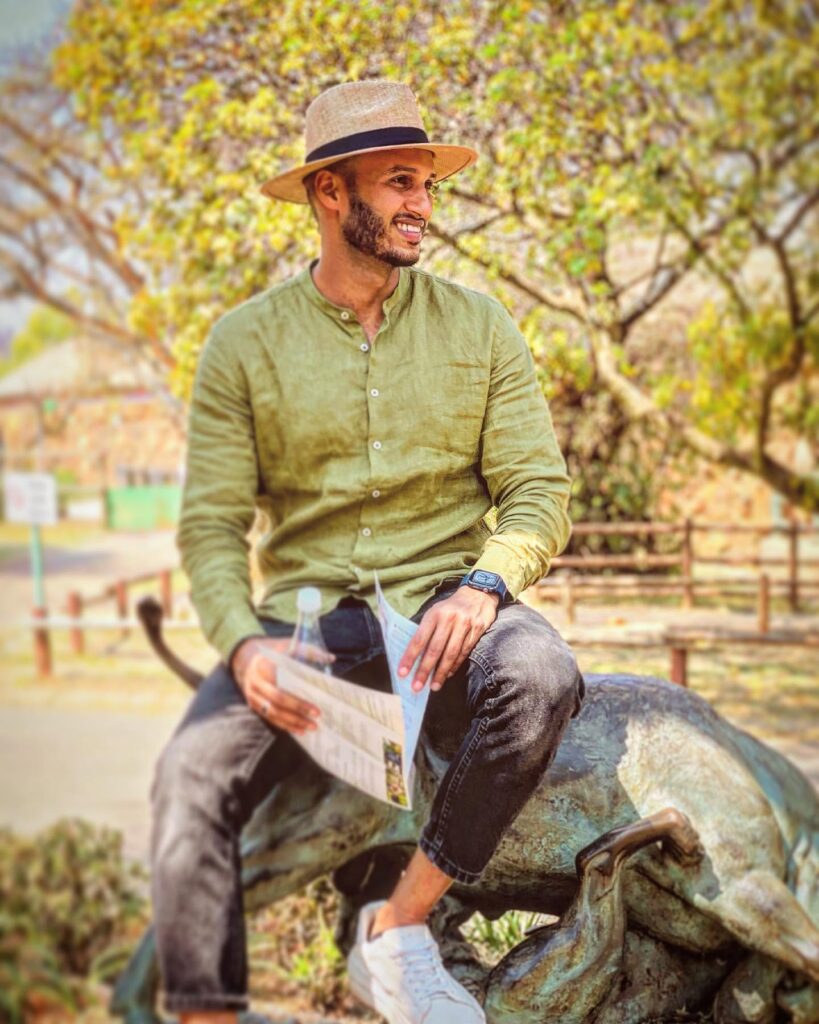
مصعب الغربي- Mousaib El Gharbi
English Below
ملخص
مصعب الغربي، ناشط سياسي تونسي يبلغ من العمر 32 سنة، موقوف منذ 13 جويلية 2024 على خلفية قضية تتعلق بتهمة التستر على شخص محل تفتيش، وصدر في حقه بتاريخ 3 جويلية 2026 حكم بالسجن لمدة ثلاث سنوات. وتفيد المعطيات المتاحة بتعرضه لانتهاكات مست حقوقه أثناء الإيقاف والاحتجاز والمحاكمة.
معلومات شخصية
- الاسم: مصعب الغربي.
- العمر: 32 سنة.
- الجنسية: تونسية.
- الولاية: تونس.
- الصفة: ناشط سياسي.
- التهم: الفصول 1 و5 و13 جديد و34 و37 من القانون الأساسي عدد 26 لسنة 2015 المتعلق بمكافحة الإرهاب ومنع غسل الأموال.
أحداث الانتهاك
بتاريخ 13 جويلية 2024، أوقفت فرقة الأبحاث والتفتيش التابعة للحرس الوطني بطبربة، وتحديدًا بجهة برج العامري، مصعب الغربي رفقة السياسي العجمي الوريمي ومحمد الغنودي.
ووفق المعطيات الواردة، وُجهت إلى مصعب الغربي تهمة التستر على شخص محل تفتيش. وخلال الأسبوع الأول من إيقافه، لم يتمكن من مقابلة محاميه.
وبتاريخ 18 جويلية 2024، أذنت النيابة العمومية بالقطب القضائي لمكافحة الإرهاب بتمديد إيقافه لمدة خمسة أيام إضافية، إلى حدود 23 جويلية 2024. وفي التاريخ نفسه، أصدر حاكم التحقيق بالقطب القضائي لمكافحة الإرهاب بطاقة إيداع بالسجن في حقه.
وبحسب شهادة شقيقه، قضى مصعب الغربي يوم إيقافه لمدة 24 ساعة دون أكل أو شرب. كما أفاد شقيقه بأن قرار إيداعه بالسجن تم تداوله في وسائل الإعلام ونشر على مواقع التواصل الاجتماعي قبل انتهاء الجلسة بالقطب القضائي لمكافحة الإرهاب.
بعد إيداعه في سجن أوذنة، أفادت عائلته بأن ظروف إقامته كانت قاسية، حيث تم إيداعه في غرفة مكتظة يتجاوز فيها عدد السجناء الحد المسموح به. وعلى إثر ذلك، وجه فريق الدفاع مراسلات إلى إدارة السجن ووزارة العدل للمطالبة بتغيير الغرفة، وقد استجابت السلطات لهذه المراسلات ونقلته إلى غرفة أخرى.
ووفق إفادة العائلة، لم تتغير ظروف معاملته بعد نقله، إذ تم عزله بطريقة غير مباشرة ومنعه من التواصل مع بقية السجناء بعد وصمه بـ"الإرهابي". كما أفادت العائلة بمنعه من ممارسة الأنشطة المتوفرة داخل السجن ومن قراءة الكتب لمدة شهرين.
وفي مرحلة لاحقة، تم وضعه في السجن الانفرادي إثر خلاف نشب بينه وبين أحد أعوان السجن، الذي، وفق إفادة العائلة، وصفه بـ"الإرهابي" أكثر من مرة.
وبتاريخ 10 جانفي 2025، دخل مصعب الغربي في إضراب عن الطعام احتجاجًا على ظروف سجنه وعدم تعيين جلسة لمحاكمته، ما أدى، وفق المعطيات الواردة، إلى تدهور حالته الصحية تدريجيًا. ولإيقاف الإضراب، تقدمت السلطات المعنية بعدد من الوعود، من بينها تعيين جلسة لمحاكمته.
وبتاريخ 22 جانفي 2025، مُنع المحامون من زيارته، وفق المعطيات الواردة، ثم تم بتاريخ 23 جانفي 2025 ختم البحث في القضية دون تعيين جلسة.
وكان قد تم تحديد جلسة بتاريخ 20 فيفري 2025 ليمثل مصعب الغربي أمام دائرة الاتهام المختصة في قضايا الإرهاب.
وبتاريخ 10 فيفري 2025، أثبت محضر معاينة أن الضيعة الفلاحية موضوع الملف عبارة عن قطعة أرض مسيجة تحتوي على بعض الأشجار المثمرة، وتخلو من المباني أو المحلات القابلة للسكن أو لإيواء أي شخص. ووفق المعطيات الواردة، اتُّهم مصعب الغربي بالتوجه إلى هذه الضيعة للتستر على شخص محل تفتيش، رغم أن الشخص المعني نفسه لم يكن يعلم بأنه محل تتبع قضائي، وفق ما ورد في التوثيق.
وبتاريخ 6 مارس 2025، أصدرت دائرة الاتهام عدد 34 بالمحكمة الاستئنافية بتونس قرارًا بتأييد قرار ختم البحث المتعلق بالقضية، وفق المعطيات الواردة.
وفي الأثناء، وبحسب شهادة شقيق مصعب الغربي المنشورة، ظل مصعب الغربي يقبع في سجن أوذنة في ظروف احتجاز قاسية، حيث تم حرمانه من الاستحمام لأسابيع متواصلة، ومن ممارسة شعائره الدينية وتناول وجبة الإفطار مع بقية السجناء خلال شهر رمضان.
وبتاريخ 12 ماي 2026، انطلقت أولى الجلسات القضائية في الملف، وتم تأجيلها إلى 30 جوان 2026، ثم أُجلت نهائيًا إلى 3 جويلية 2026، حيث أصدرت المحكمة الابتدائية بتونس حكمًا يقضي بسجنه لمدة ثلاث سنوات على معنى الفصول 1 و5 و13 جديد و34 و37 من القانون الأساسي عدد 26 لسنة 2015 المتعلق بمكافحة الإرهاب ومنع غسل الأموال.
انتهاكات حقوق الإنسان
يمسّ إيقاف مصعب الغربي، وفق المعلومات المتوفرة، بالحق في الحرية والأمان الشخصي والضمانات القانونية المرتبطة بالإيقاف والاحتفاظ. وينص الفصل 35 من دستور الجمهورية التونسية لسنة 2022 على أنه لا يمكن إيقاف شخص أو الاحتفاظ به إلا في حالة التلبس أو بقرار قضائي، مع إعلامه فورًا بحقوقه وبالتهمة المنسوبة إليه وتمكينه من إنابة محامٍ. وعليه، فإن الإيقاف دون إذن قضائي، في حال ثبوت عدم قيام حالة تلبس، يثير مسألة التوافق مع الضمانات الدستورية المتعلقة بالحرية الشخصية.
كما يمسّ عدم تمكينه من مقابلة محاميه خلال الأسبوع الأول من الإيقاف بضمانات الدفاع والحق في الاستعانة بمحامٍ. ويضمن الفصل 13 رابعا من مجلة الإجراءات الجزائية، كما نُقح بالقانون عدد 5 لسنة 2016، للمحتفظ به حق زيارة محاميه ومقابلته على انفراد مرة واحدة خلال مدة الاحتفاظ، مع إمكانية تجديد المقابلة في صورة التمديد. كما أن القانون ذاته يقر إمكانية تقييد هذا الحق في القضايا الإرهابية لمدة محددة لا تتجاوز 48 ساعة، وفق الشروط القانونية. وبناءً على ذلك، فإن منع مصعب الغربي من مقابلة محاميه خلال الأسبوع الأول، إذا ثبتت الوقائع على النحو الوارد، يتجاوز مدة التقييد الخاصة المنصوص عليها قانونًا ويثير مسألة انتهاك ضمانات الدفاع.
وتثير ظروف الاحتجاز المبلغ عنها مسائل تتعلق بالحق في المعاملة الإنسانية وصون الكرامة. وينص الفصل 36 من دستور الجمهورية التونسية لسنة 2022 على أن لكل سجين الحق في معاملة إنسانية تحفظ كرامته. كما يكرس العهد الدولي الخاص بالحقوق المدنية والسياسية حق الأشخاص المحرومين من حريتهم في المعاملة الإنسانية واحترام الكرامة المتأصلة في الإنسان. وبالنظر إلى ما ورد من اكتظاظ، وعزل غير مباشر، ووضع في السجن الانفرادي، ومنع من بعض الأنشطة، فإن مجموع هذه الظروف، في حال ثبوتها، يثير مسائل جدية بشأن احترام هذا الحق.
كما أن الحرمان من الاستحمام لأسابيع متواصلة يتعارض مع الفصل 17 من القانون عدد 52 لسنة 2001 المتعلق بنظام السجون، الذي يضمن لكل سجين الحق في الاستحمام مرة واحدة على الأقل في الأسبوع أو وفق تعليمات طبيب السجن. كما يتعارض مع القاعدة 16 من قواعد الأمم المتحدة النموذجية الدنيا لمعاملة السجناء، المعروفة بقواعد نيلسون مانديلا، التي تنص على توفير مرافق للاستحمام بما يسمح للسجين بالاستحمام بالقدر اللازم للنظافة العامة، على ألا يقل ذلك عن مرة واحدة أسبوعيًا في المناخ المعتدل.
ويثير منعه من ممارسة شعائره الدينية مسألة المساس بحرية الدين والمعتقد. وتنص القاعدة 66 من قواعد نيلسون مانديلا على تمكين كل سجين، قدر الإمكان، من تلبية احتياجات حياته الدينية من خلال حضور الشعائر المتاحة داخل السجن والاحتفاظ بكتب العبادة والتعليم الديني الخاصة بدينه. وعليه، فإن حرمان مصعب الغربي من ممارسة شعائره الدينية، إذا ثبت على النحو المبلغ عنه، لا يتوافق مع هذا المعيار.
أما بخصوص الحق في المحاكمة خلال أجل معقول، فقد انطلقت أولى جلسات محاكمته بتاريخ 12 ماي 2026، أي بعد 668 يومًا من إيقافه بتاريخ 13 جويلية 2024. ويضمن الفصل 33 من دستور الجمهورية التونسية لسنة 2022 للمتهم قرينة البراءة إلى أن تثبت إدانته في محاكمة عادلة تكفل له جميع ضمانات الدفاع في أطوار التتبع والمحاكمة. كما يضمن الفصل 14 من العهد الدولي الخاص بالحقوق المدنية والسياسية لكل متهم الحق في أن يحاكم دون تأخير لا مبرر له. وبناءً على المعطيات الواردة، فإن طول الفترة الفاصلة بين الإيقاف وانطلاق المحاكمة يثير مسألة احترام الحق في المحاكمة خلال أجل معقول، ولا سيما بالنظر إلى استمرار سلب الحرية طوال هذه الفترة.
وفيما يتعلق بالحكم الصادر في حقه بالسجن لمدة ثلاث سنوات، فإن قرينة البراءة تظل من الضمانات الأساسية للمحاكمة العادلة إلى حين صدور حكم بالإدانة وفق القانون. ولا يمكن، استنادًا إلى الوقائع الواردة وحدها، الجزم بأن الحكم يفتقر إلى أساس قانوني أو إثباتي، إلا أن محضر المعاينة المؤرخ في 10 فيفري 2025، وفق ما ورد في التوثيق، يثير تساؤلات حول مدى توافر العناصر المادية للفعل المنسوب إليه، بالنظر إلى ما أثبته المحضر من خلو الضيعة من أي مبانٍ أو أماكن صالحة لإيواء شخص.
وبناءً على مجموع المعطيات الواردة، تكشف الحالة عن ادعاءات متعلقة بانتهاكات متراكمة لحقوق مصعب الغربي، تشمل ضمانات الحرية الشخصية والدفاع والمحاكمة العادلة، إضافة إلى حقوقه أثناء الاحتجاز، بما في ذلك الحق في المعاملة الإنسانية، والحق في ظروف احتجاز تراعي متطلبات النظافة والكرامة، وحرية ممارسة الشعائر الدينية.
Summary
Mousaib El Gharbi, a 32 year old Tunisian political activist, has been detained since 13 July 2024 in connection with a case involving an allegation that he concealed a wanted person. On 3 July 2026, he was sentenced to three years in prison. Available information indicates that he was subjected to violations affecting his rights during his arrest, detention, and trial.
Personal Information
Name: Mousaib El Gharbi
Age: 32
Nationality: Tunisian
Governorate: Tunis
Occupation: Political activist
Charges: Articles 1, 5, 13 bis, 34, and 37 of Organic Law No. 26 of 2015 on Combating Terrorism and Preventing Money Laundering.
Human Rights Violations
On 13 July 2024, Mousaib El Gharbi was arrested alongside politician Ajmi Lourimi and Mohamed Ghanoudi by the Investigation and Search Unit of the National Guard in Tebourba, specifically in the Borj El Amri area.
According to the available information, El Gharbi was accused of concealing a wanted person. During the first week following his arrest, he was unable to meet with his lawyer.
On 18 July 2024, the Public Prosecutor’s Office at the Judicial Counter Terrorism Unit authorized the extension of his police custody for an additional five days, until 23 July 2024. On the same date, an Investigating Judge at the Judicial Counter Terrorism Unit issued a detention warrant against him.
According to his brother’s testimony, El Gharbi went without food or water for 24 hours on the day of his arrest. His brother also stated that the decision to place him in detention was reported in the media and circulated on social media before the hearing at the Judicial Counter Terrorism Unit had concluded.
Following his transfer to Oudhna Prison, his family reported that he was held in harsh conditions. He was placed in an overcrowded cell where the number of prisoners exceeded its permitted capacity. His defense team subsequently sent letters to the prison administration and the Ministry of Justice requesting his transfer to another cell. The authorities responded to these requests and moved him to a different cell.
According to his family, however, his treatment did not improve following the transfer. They stated that he was subjected to a form of indirect isolation and prevented from communicating with other prisoners after being labelled a “terrorist.” The family also reported that he was prevented from participating in activities available inside the prison and denied access to books for two months.
At a later stage, El Gharbi was placed in solitary confinement following a dispute with a prison officer who, according to the family, repeatedly referred to him as a “terrorist.”
On 10 January 2025, El Gharbi began a hunger strike to protest his prison conditions and the failure to schedule his trial. According to the available information, his health gradually deteriorated during the strike. In order to end the hunger strike, the relevant authorities made several commitments, including scheduling his trial.
On 22 January 2025, his lawyers were reportedly prevented from visiting him. The investigation was closed the following day, 23 January 2025, without a trial date being set.
A hearing had been scheduled for 20 February 2025 for El Gharbi to appear before the Indictment Chamber specializing in terrorism cases.
On 10 February 2025, an official inspection report established that the agricultural property at the center of the case consisted of a fenced plot of land containing several fruit trees and no buildings or premises suitable for habitation or for sheltering any person. According to the available information, El Gharbi was accused of going to the property to conceal a wanted person, although the person concerned was himself unaware that he was the subject of judicial proceedings, according to the documentation.
On 6 March 2025, Indictment Chamber No. 34 at the Tunis Court of Appeal issued a decision upholding the order closing the investigation, according to the available information.
Meanwhile, according to a published testimony by El Gharbi’s brother, El Gharbi remained detained at Oudhna Prison under harsh conditions. He was reportedly denied access to showers for several consecutive weeks and prevented from practicing his religious observances and from having the Ramadan iftar meal with other prisoners.
On 12 May 2026, the first hearing in the case took place. It was adjourned to 30 June 2026 and subsequently to 3 July 2026. On that date, the Tunis Court of First Instance sentenced El Gharbi to three years in prison under Articles 1, 5, 13 bis, 34, and 37 of Organic Law No. 26 of 2015 on Combating Terrorism and Preventing Money Laundering.
Human Rights Violations
Based on the available information, the circumstances of Mousaib El Gharbi’s arrest raise concerns regarding the right to liberty and security of person and the legal safeguards governing arrest and police custody. Article 35 of the 2022 Tunisian Constitution provides that a person may only be arrested or held in police custody when caught in the act of committing an offense or pursuant to a judicial decision. It also requires that the person be immediately informed of their rights and the charges against them and be allowed access to a lawyer. Accordingly, if it is established that El Gharbi was arrested without judicial authorization and that the conditions for an arrest in flagrante delicto were not met, the circumstances of his arrest would raise questions regarding compliance with the constitutional safeguards protecting personal liberty.
The fact that El Gharbi was unable to meet with his lawyer during the first week following his arrest also raises concerns regarding defense guarantees and the right to legal assistance. Article 13 quater of the Code of Criminal Procedure, as amended by Law No. 5 of 2016, guarantees a person held in police custody the right to receive a visit from their lawyer and meet with them in private once during the custody period. A further meeting may take place if custody is extended. The same law permits this right to be restricted in terrorism related cases, subject to specific legal conditions, for a period not exceeding 48 hours. Accordingly, if the circumstances occurred as reported, preventing El Gharbi from meeting with his lawyer during the first week of his detention would exceed the legally permitted period of restriction and raise concerns regarding respect for his defense rights.
The reported conditions of his detention also raise concerns regarding the right to humane treatment and respect for human dignity. Article 36 of the 2022 Tunisian Constitution guarantees every prisoner the right to humane treatment that preserves their dignity. The International Covenant on Civil and Political Rights likewise guarantees persons deprived of their liberty the right to humane treatment and respect for the inherent dignity of the human person. In light of the reported overcrowding, indirect isolation, placement in solitary confinement, and restrictions on certain activities, these conditions, if substantiated, raise serious concerns regarding respect for this right.
The reported denial of access to showers for several consecutive weeks is inconsistent with Article 17 of Law No. 52 of 2001 on the prison system, which guarantees every prisoner the right to shower at least once a week or in accordance with the instructions of the prison doctor. It is also inconsistent with Rule 16 of the United Nations Standard Minimum Rules for the Treatment of Prisoners, known as the Nelson Mandela Rules, which requires bathing and shower facilities that allow every prisoner to bathe as frequently as necessary for general hygiene, and at least once a week in a temperate climate.
Preventing El Gharbi from practicing his religious observances also raises concerns regarding freedom of religion and belief. Rule 66 of the Nelson Mandela Rules provides that, so far as practicable, every prisoner should be allowed to satisfy the needs of their religious life by attending services provided in the prison and possessing books of religious observance and instruction. Accordingly, if El Gharbi was prevented from practicing his religious observances as reported, this would be inconsistent with this standard.
The length of time between El Gharbi’s arrest and the beginning of his trial also raises concerns regarding the right to be tried within a reasonable time. His first trial hearing took place on 12 May 2026, 668 days after his arrest on 13 July 2024. Article 33 of the 2022 Tunisian Constitution guarantees the presumption of innocence until guilt is established through a fair trial that provides all defense guarantees throughout the investigation and trial. Article 14 of the International Covenant on Civil and Political Rights also guarantees every person charged with a criminal offense the right to be tried without undue delay. Based on the available information, the length of time between El Gharbi’s arrest and the beginning of his trial raises concerns regarding respect for the right to trial within a reasonable time, particularly given that he remained deprived of his liberty throughout this period.
As regards the three year prison sentence imposed on El Gharbi, the presumption of innocence remains a fundamental guarantee of a fair trial until a conviction is established in accordance with the law. The documented facts alone are insufficient to conclude that the judgment lacked a legal or evidentiary basis. However, the inspection report dated 10 February 2025, as described in the documentation, raises questions regarding whether the material elements of the alleged conduct were established, given its finding that the agricultural property contained no buildings or premises suitable for sheltering a person.
Taken together, the available information raises allegations of cumulative violations of Mousaib El Gharbi’s rights, including safeguards relating to personal liberty, the right to defense, and the right to a fair trial. It also raises concerns regarding his rights in detention, including the right to humane treatment, the right to conditions of detention that meet basic requirements of hygiene and dignity, and freedom to practice his religious observances.