
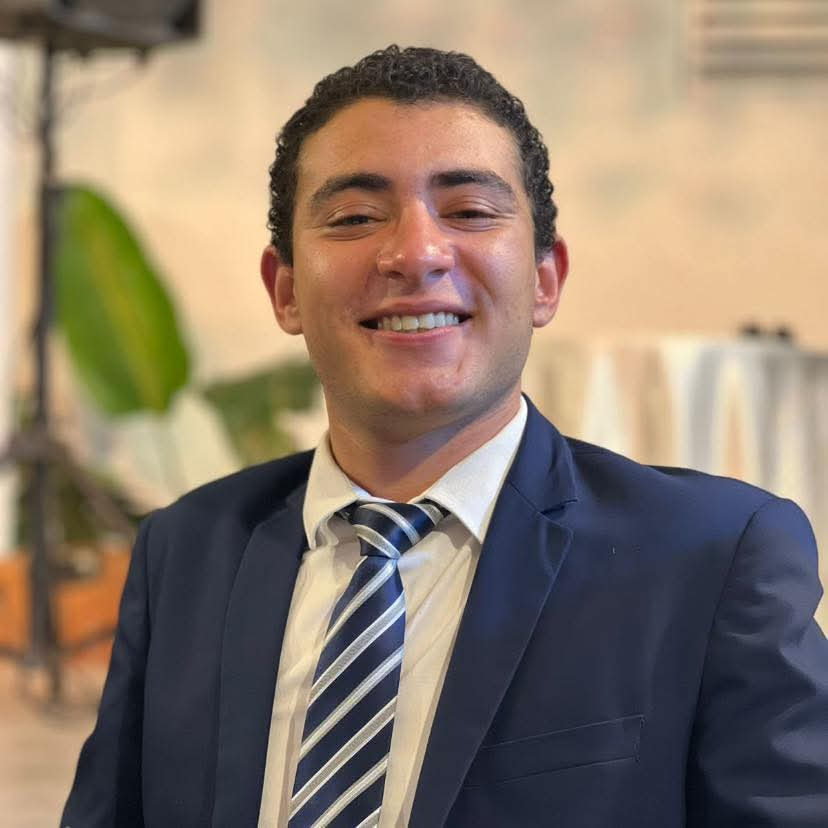
Montassar Salem
Summary
Montassar Salem, a 26-year-old Tunisian trade union and political activist, was arrested on 17 January 2021 because of his participation in the social protests that took place in several working-class neighbourhoods during that period, and because he posted on his personal "Facebook" page content documenting the protests and expressing the social and economic situation.
During his detention, Montassar Salem reported being insulted and stigmatised because of his political and trade union activity, being prevented from contacting a lawyer or members of his family, and not being informed of his rights until more than seven hours after his arrest, in addition to being held in conditions he described as inhumane, and being made to sign an investigation record even though he was not actually allowed to read it or to have a lawyer. He also stated that he was deprived of fully exercising his defence rights when he was referred to the Public Prosecution and the court, before being convicted and fined 500 dinars for breaching the curfew.
In July 2022, Montassar Salem was again held for hours inside a police vehicle while taking part in a political campaign to boycott the referendum, and he stated that he remained detained without being informed of any legal reason for depriving him of his liberty or of any legal action taken against him.
Personal Information
Name: Montassar Salem
Age: 26
Status: Trade union and political activist.
Governorate: Ariana
Nature of the violation: Arbitrary arrest and detention because of the exercise of freedom of opinion and expression and political and trade union activity, as well as violation of police custody safeguards and defence rights, and degrading treatment in detention.
Incidents of Violation
On 17 January 2021, Montassar Salem was arrested because of his participation in the social protests that took place in several working-class neighbourhoods in January 2021, and because he posted on his personal "Facebook" page a photo documenting the protests in the Hedi Nouira neighbourhood of Ariana on the night of 16 January 2021, as well as posts addressing the social and economic conditions that drove a number of citizens to protest. This came in the context of a curfew imposed by the authorities from 14 to 17 January 2021, from 4 p.m. to 6 a.m.
According to Montassar Salem's account, on the day of his arrest he was sitting with a number of friends in broad daylight in the Hedi Nouira neighbourhood when a police patrol stopped them, searched them and seized their identity cards. After the officers checked his identity, one of them said, according to his account: "This is the one we want", before he was taken to the Nkhilet police station, even though the police station with territorial jurisdiction over the Hedi Nouira neighbourhood was about 100 metres from the place of his arrest.
On arrival at the Nkhilet police station, it emerged that another person bearing the same name had been arrested, suggesting a case of mistaken identity due to identical names; that person was released in less than an hour, while Montassar Salem was kept in custody.
During his detention, Montassar Salem reported being subjected to insults and stigmatisation linked to his political and trade union activity, being called, according to his account, names such as "terrorist", "communist", "atheist" and "freemason". He also asked to make a phone call and contact a lawyer, but the security officers refused. He stated that the head of the station told him mockingly: "You don't deserve anyone to represent you; consider me your lawyer."
He also reported being subjected to what he described as psychological torture, through officers deliberately bringing in a number of young men who had been arrested in connection with the protests and beating them in front of him, one after another, during his detention.
His detention at the Nkhilet police station lasted nearly ten hours, from 2 p.m. until around midnight. During this period, he stated that he received only a small amount of mouldy bread, without being provided with adequate food.
His family was not informed of his whereabouts. His mother had to go from one police station to another looking for him, before finding him around 7 p.m., when she learned for the first time that he was in police custody.
During the investigation, he was asked sarcastic and mocking questions that, according to his account, had nothing to do with the reason for his arrest. He was also presented with the investigation record to sign without actually being allowed to read it or to have a lawyer. He stated that the record indicated that he had refused the assistance of a lawyer, even though he had explicitly requested one and his request had been refused.
Nor was he shown the notification-of-rights document until more than seven hours after his arrest, at the same time as the record was presented for signature.
In the early hours of 18 January 2021, Montassar Salem was transferred to the Bouchoucha detention centre after midnight. He stated that during his transfer, the police patrol carried out a new wave of arrests of protest participants, during which those arrested were subjected to violence.
According to his account, he was held at the Bouchoucha detention centre in conditions marked by severe overcrowding, cramped space and foul odours from excrement, which affected ventilation in the place of detention.
On the same day, he was brought before the Public Prosecutor at the Ariana Court of First Instance, who asked him questions that, according to his account, included the assumption that he had received payment for taking part in the protests, before authorising the extension of his custody for a further twenty-four hours, after which he was returned to the Bouchoucha detention centre.
On 19 January 2021, he appeared again before the Public Prosecutor without being allowed to have a lawyer present, and he was only able to communicate with his defence team inside the courtroom. During his interrogation, the Public Prosecutor asked him to read the articles relating to the offence of "forming a criminal association" and the penalties prescribed for it, before he appeared before the court, which fined him 500 dinars for breaching the curfew in force at the time.
Montassar Salem stated that throughout the period of custody and referral he remained cut off from the outside world: his family was prevented from bringing him food or drink, even while he was at the court, and the security authorities refused to provide them with information about his place of detention or his legal status.
The family did not know that he was being taken to court that day, as they had been told that he would be taken to the police station and then to court. This did not happen when he was transferred from Bouchoucha to the Ariana Court of First Instance; the family therefore only learned that he had been taken to court when a solidarity protest was organised in front of the Hedi Nouira police station at the time.
In another incident, in July 2022, Montassar Salem told Intersection Association that, while taking part in a political campaign to boycott the referendum, he was putting up posters calling for a boycott with a number of his comrades when a police patrol stopped them and informed them that there were instructions to arrest them.
According to his account, he was held inside the police car for about an hour, while the patrol moved between several locations, stopping and questioning other groups carrying out the same activity. He stated that the security officers spent a long time chatting at the roadside while he remained held inside the vehicle, without being informed of any legal reason for depriving him of his liberty or of any legal action taken against him.
Human Rights Violations
The documented facts reveal overlapping violations of fundamental rights and freedoms, including freedom of opinion and expression, freedom of peaceful assembly and demonstration, the right to political and trade union activity, the right to liberty and security of person, police custody and fair trial safeguards, and the right to humane treatment and respect for dignity during deprivation of liberty. According to his account, Montassar Salem's arrest in January 2021 was linked to his participation in the social protests and his posting of content on his personal page documenting those protests and expressing the social and economic situation, while his detention in July 2022 was linked to his participation in a peaceful political campaign calling for a boycott of the referendum. These acts fall within the exercise of rights guaranteed under Article 19 of the Universal Declaration of Human Rights, Articles 19, 21 and 22 of the International Covenant on Civil and Political Rights and Article 9 of the African Charter on Human and Peoples' Rights. The 2014 Constitution of the Tunisian Republic, in force at the time of the January 2021 events, guaranteed freedom of opinion, thought, expression, information and publication in Article 31, freedom to form political parties, trade unions and associations in Article 35, the right to unionise in Article 36, and freedom of peaceful assembly and demonstration in Article 37. As regards the July 2022 incident, these rights were enshrined in the constitutional framework in force at the time, and the 2022 Constitution enshrines freedom of opinion, thought, expression, information and publication in Article 37, freedom to form political parties, trade unions and associations in Article 40, the right to unionise in Article 41, and freedom of peaceful assembly and demonstration in Article 42. Based on the documented facts, taking custodial measures because of these activities, without identifying any act independent of the exercise of those rights that would justify the measure, constitutes an infringement of the guarantees associated with the exercise of freedom of expression, assembly and political and trade union activity.
The events of January 2021 and July 2022 also raise serious concerns about the lawfulness of the deprivation of liberty. In January 2021, Montassar Salem's detention continued even after it emerged that another person bearing the same name was at the Nkhilet police station, suggesting a case of identical names, and, according to the documented facts, the legal grounds for his continued detention thereafter were not sufficiently clear. In July 2022, he stated that he was held for hours inside a police vehicle without being informed of a legal reason for depriving him of his liberty, and without any legal action being taken against him during the time he remained inside the vehicle. If established, these facts contravene the right to liberty and security of person guaranteed under Article 9 of the International Covenant on Civil and Political Rights, Article 9 of the Universal Declaration of Human Rights and Article 6 of the African Charter on Human and Peoples' Rights, as well as the relevant constitutional guarantees of personal liberty.
The facts also indicate that the victim of the violation asked to contact a lawyer and make a phone call, but his request was refused, and that he was not informed of his rights until more than seven hours after his arrest. He also stated that the investigation record indicated that he had refused the assistance of a lawyer even though he had requested one, and that he was presented with the record for signature without actually being allowed to read it or to have a lawyer. This raises concerns about respect for the safeguards established by Law No. 5 of 2016 of 16 February 2016 amending and supplementing certain provisions of the Code of Criminal Procedure, in particular the safeguards relating to notification of rights, contact with a lawyer, and informing a family member or a person chosen by the person held in custody, as well as Article 14 of the International Covenant on Civil and Political Rights and the constitutional guarantees relating to fair trial and defence rights. Furthermore, not allowing him to communicate with a lawyer before appearing before the Public Prosecution, and his being able to communicate with his defence team only inside the courtroom, raise concerns about the effectiveness of the exercise of the right of defence during the custody and referral stage.
The facts also reveal that Montassar Salem was subjected to cruel, inhuman or degrading treatment, through insults and stigmatisation linked to his political and trade union activity, including being called a "terrorist", "communist", "atheist" and "freemason", as well as his account that security officers deliberately brought in other detainees and beat them in front of him, one after another. If established, these facts may amount to cruel, inhuman or degrading treatment, contrary to Article 7 of the International Covenant on Civil and Political Rights, Articles 2 and 16 of the Convention against Torture, Article 5 of the Universal Declaration of Human Rights and Article 23 of the 2014 Constitution of the Tunisian Republic.
The conditions of detention described by the victim of the violation, namely the failure to provide sufficient food fit for consumption, severe overcrowding, cramped space and foul odours from excrement affecting ventilation, also raise concerns about respect for the right of persons deprived of their liberty to humane treatment and respect for their dignity, guaranteed under Article 10 of the International Covenant on Civil and Political Rights, as well as the relevant rules of the United Nations Standard Minimum Rules for the Treatment of Prisoners (the Nelson Mandela Rules), in particular those concerning accommodation, hygiene and food. Article 30 of the 2014 Constitution of the Tunisian Republic also guarantees every detainee the right to humane treatment that preserves their dignity.
Finally, the facts indicate that Montassar Salem's family was not informed of his place of detention, that his mother had to go from one police station to another looking for him, and that the family only learned of his transfer to Bouchoucha after a protest was organised in front of the Nkhilet police station. He also stated that he was prevented from making a phone call to inform his family of his situation, and that his family was prevented from bringing him food or drink and did not obtain, according to his account, sufficient information about his legal status. These facts raise concerns about respect for the procedural safeguards relating to police custody, in particular the provisions of Law No. 5 of 2016 concerning informing, without delay, a member of the family of the person held in custody, or a person of their choice, of the measure taken against them, and protecting the detained person from being cut off from the outside world and providing them with the safeguards necessary to exercise their rights and defend themselves.